


How Nostalgia Can Build Community in Digital Marketing
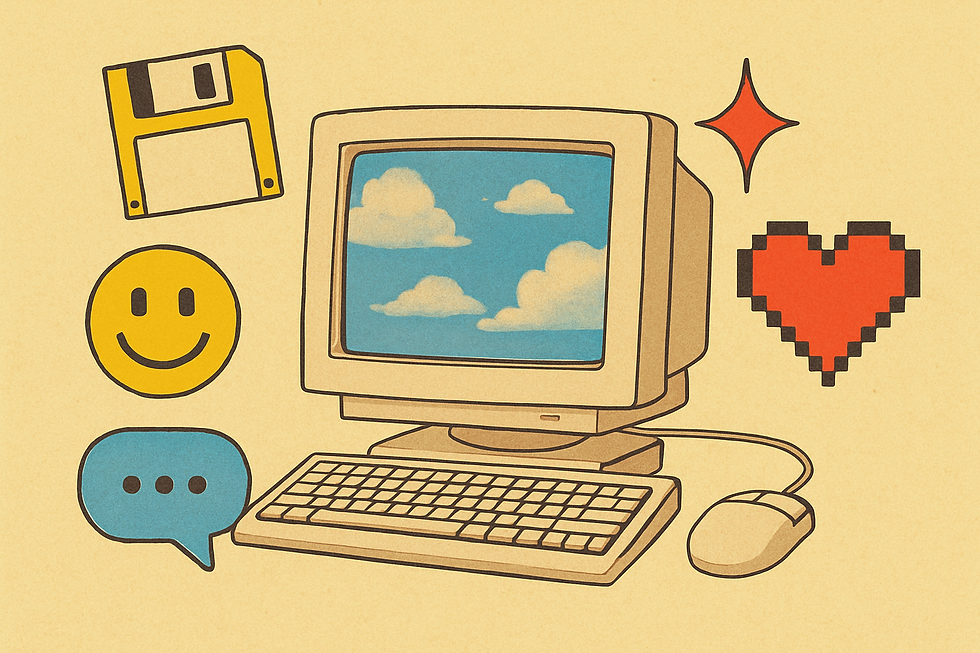
“kSSSSHHHH-kSSHH-BEEooOOOP-BEEooOOOP-krrrRRRCHK-KRRRHHHH-eeeeEEE-BRRRRP-BRRRRP-skhhhhhhhhh-POP.”
This is the sound that terrorized a generation. The sound that stood between us and getting into arguments with our first AI—SmarterChild. The sound we endured while waiting for the creaking door that told us our crush had logged onto AIM, and while getting some of the most inaccurate “facts” from our personal butler named Jeeves.
This sound is iconic. You hear it in the wild, and you're instantly transported back to simpler times. Back to your childhood home. Back to when the only thing that mattered was updating your Xanga page.
THIS is the power of nostalgia—and how it connects generations.
The Psychology Behind Nostalgia
nos·tal·gia
noun
a sentimental longing or wistful affection for the past, typically for a period or place with happy personal associations.
According to Dr. Krystine Batcho on the Speaking of Psychology podcast (Episode 93), nostalgia, by motivating us to remember the past in our own life, helps to unite us to that authentic self and remind us of who we have been, and then compare that to who we feel we are today.”
She goes on to say, “That is such a powerfully comforting phenomenon—knowing that there was a time in life when we didn’t have to earn our love… Our parents, siblings, or friends simply loved us unconditionally.”
Being able to take people back to that time—and evoke those memories—is a key part of building trust and a sense of connection with your audience. This is powerful not only for new customers but plays a pivotal role in retention efforts.
Nostalgia isn’t talking about the past; it’s about taking people back to a simpler time and reminding them how they want to feel again.
From Shared Memories to Shared Meaning
Brands can tap into this effectively, but it has to be done right. Music, pop culture references, early internet moments, and memes all serve as anchors you can use to help your audience feel seen.
When people recognize themselves in your messaging, they feel part of something larger. Examples include:
Spotify Wrapped — where you learn about people’s interests and see how you’ve changed over the year.
Throwback Thursday — because nothing screams nostalgia like sharing questionable fashion choices (JNCO jeans, anyone?).
Coca-Cola’s heritage campaigns — a masterclass in refreshing classic ads with modern twists while staying deeply connected to brand identity.
Connection, Not Manipulation
If you’re going to build nostalgia into your campaigns, it has to go deeper than surface-level references. The minute you use it just to use it, without intention, is the minute you lose authenticity.
Tips for using nostalgia in campaigns:
Tie it to your brand’s purpose or story.
Align it with audience age and life stage (70s/80s for Baby Boomers, 90s for Millennials, early 00s for Gen Z).
Use storytelling to pull out emotion, not just imagery.
Try the framework: Reference → Emotion → Relevance → Connection.
Bringing Nostalgia to Life Online
A few practical ways to authentically integrate nostalgia into digital marketing:
Social Media: Throwback posts, retro-styled graphics, or generational humor.
Email Marketing: Nostalgic tones or subject lines (“Remember when ‘you got mail’ was exciting?”).
Video Content: Blend retro audio cues or visuals with modern storytelling.
Community Engagement: Encourage users to share their own “then vs. now” moments.
There are endless options—you just need to stay creative and ensure the nostalgia aligns with what your brand is actually trying to achieve.
Balancing the Past and Present
The past can be powerful, but leaning on it too heavily can make you feel out of touch. It can limit innovation and eventually slow progress.
Nostalgia is a great bridge between legacy and modern relevance. It creates the sensation of a simpler time and connects with people in ways you might not expect. But the past still needs boundaries. Otherwise, jelly shoes would be in style again—and I’m not ready for the smell that comes with that.
Most importantly: people don’t want to live in the past. Reflecting is great, but progress happens in the present. If all you do is look backward, you’re not moving forward.
Nostalgia should spark conversations—not just clicks.
The Feeling That Unites Us
Now it's time to log off so your parents can finally receive that call they’ve been waiting for on their landline. Taking a step back to when “things were better” feels good—but today will eventually become the good old days, and that’s worth appreciating too. For you, for your brand, and for the people engaging with your work.
Shared experiences connect people more deeply than algorithms ever could.
Reflection:
“What memory could your brand bring back to remind people why they connected with you in the first place?”
If you're ready to build community through storytelling that actually resonates—not performative nostalgia or copy-and-paste trends—start by looking inward. Revisit the moments, milestones, and lived experiences that shaped your brand. That’s where the emotional equity sits. And when you use it with intention, people don’t just engage…
they reconnect.

Comments